
Summary: Choosing between an analog or digital security camera system for your Colorado Springs property depends on your security needs, budget, and plans for future expansion. Digital IP cameras offer high image quality and advanced features, while analog remains budget-friendly for basic monitoring. This guide clarifies the differences.
Understanding Your Security Camera Options
You’re concerned about protecting your property, your employees, your customers, or your family. Maybe you’ve experienced theft, vandalism, or unauthorized access. Perhaps you’re losing sleep worrying about what happens when you’re not there. You know you need security cameras, but when you start researching, you’re hit with confusing technical jargon and conflicting advice about analog or digital systems.
Choosing an analog or digital security camera system is simpler than you think once you understand what each technology offers and how they align with your specific needs. Whether you manage a warehouse near Peterson Space Force Base, own a retail shop in Old Colorado City, or want to secure your home in the Broadmoor area, the right camera system will give you the peace of mind you deserve.
With a basic understanding in place, let’s break down everything you need to know to make a confident decision.
What Makes Analog Security Cameras Work
Analog security cameras, also called CCTV (closed-circuit television) systems, have protected properties for decades. Footage from these cameras is sent over a coaxial cable to a DVR, where it can be processed and stored.
The technology is straightforward. Each camera connects directly to your DVR through dedicated cabling, creating a closed system that doesn’t rely on your internet connection. You can power these cameras individually or use dual-use cables that combine power and video transmission on a single line. When you’re evaluating an analog or digital security camera system, understanding this traditional approach helps you appreciate the differences in installation and functionality.
While analog technology has been around longer, manufacturers have continued improving these systems. Modern analog cameras now offer higher resolutions than older models, though they still can’t match the clarity of digital systems.
How Digital Security Cameras Operate Differently
Digital security cameras, known as IP (Internet Protocol) cameras, represent the current standard in surveillance technology. These cameras capture footage and convert it to digital files right in the camera. The digital video then travels over your network through Ethernet cables to a Network Video Recorder (NVR) or directly to cloud storage.
One significant advantage: Power over Ethernet (PoE) technology lets you deliver both power and data through a single cable, simplifying installation and reducing cable clutter. Your cameras connect to your network just like computers or printers, giving you flexibility in placement and remote access capabilities. This fundamental difference is what sets apart an analog or digital security camera system in terms of capabilities and future-proofing.
In 2026, IP cameras are the dominant choice for new installations. As prices continue to drop, properties of all sizes can have access to cutting-edge technology. The technology has matured, offering reliability that rivals traditional analog systems while delivering far superior features.
Comparing Analog or Digital Security Camera System Benefits
Now that you understand how each technology works, let’s examine the specific advantages and limitations that will impact your decision.
Why You Might Choose Analog Cameras
Despite newer technology being available, analog systems still offer compelling benefits for certain situations. When you’re selecting between an analog or digital security camera system, these traditional advantages may align perfectly with your needs and budget.
- Budget-friendly initial investment: Analog cameras typically cost less per unit than digital cameras, making them attractive when you need to cover multiple areas with limited funds. For basic monitoring without advanced features, analog systems deliver solid value.
- Simple installation and operation: You don’t need networking knowledge to set up analog cameras. The straightforward wiring and user-friendly DVRs make these systems accessible for anyone comfortable with basic electronics.
- Proven reliability: Analog technology has decades of real-world testing. These systems work independently of your internet connection, so network issues won’t affect your surveillance.
- Compatible with existing infrastructure: If you already have coaxial cabling in place from an older system, you can often reuse it, reducing installation costs and disruption.
Related: Security Camera System Upgrades: Maximizing Protection for Your Southern Colorado Business
Why Digital Cameras May Offer More Value
Modern digital technology has transformed what’s possible with an analog or digital security camera system, extending far beyond image quality.
- Crystal-clear image quality: IP cameras deliver high-definition footage that lets you identify faces, read license plates, and capture crucial details. Many 2026 models offer 4K or even 8K resolution, providing exceptional clarity for evidence and identification.
- Intelligent analytics built in: Modern digital cameras leverage AI-powered features—such as motion detection, facial recognition, license plate reading, and object tracking—to focus on key areas and alert you to relevant activity, so you can respond promptly without reviewing hours of footage.
- Flexible installation options: Since IP cameras use your network infrastructure, you can place them anywhere you have network access. Adding cameras is as simple as connecting them to your network—no need to run cables back to a central recorder.
- Remote access from anywhere: View your cameras from your smartphone, tablet, or computer, whether you’re across town or across the country. You’ll have peace of mind knowing you can check on your property anytime.
- Scalable for growth: Digital systems grow with you. Add cameras as you need them without recorder limitations, making it easy to expand your security as your property or business grows.
- Enhanced cybersecurity features: Today’s IP cameras include encryption, secure authentication, and regular firmware updates to protect your surveillance system from unauthorized access.
Weighing the Limitations of Each Technology
Every technology comes with trade-offs, and understanding these limitations helps you make a realistic assessment of what will work best for your property.
Analog System Drawbacks
Analog cameras have notable limitations that could affect your property’s security. These trade-offs are crucial to consider when weighing an analog or digital system for long-term value.
- Lower image resolution: Even the best analog cameras can’t match the clarity of digital cameras. Grainy footage may make it difficult to identify individuals or read important details when you need them most.
- Limited coverage area: Analog cameras typically have narrower fields of view, meaning you’ll need more cameras to cover the same area that fewer digital cameras could monitor.
- Cable distance restrictions: The farther your camera sits from the DVR, the more signal degradation you’ll experience. This limits your placement options and may require additional equipment for distant locations.
- Fewer advanced features: Analog systems lack the intelligent analytics and automation capabilities that make modern surveillance systems truly effective.
- Difficult remote access: While possible, accessing analog systems remotely requires additional equipment and configuration that can be complicated and less reliable.
Digital System Considerations
Digital cameras aren’t without their own considerations, though most are manageable with proper planning. Understanding these factors helps you prepare adequately when implementing an analog or digital security camera system with IP technology.
- Higher upfront costs: IP cameras generally cost more per unit than analog cameras, though the price gap has narrowed significantly. However, the total system cost may be comparable when you factor in fewer cameras needed and simplified cabling.
- Network bandwidth requirements: High-resolution video requires adequate network bandwidth. You may need to upgrade your network infrastructure, especially if you’re installing many cameras.
- Greater storage needs: High-definition footage requires more storage space. You’ll need sufficient storage capacity through an NVR, network-attached storage, or cloud services.
- Potential cybersecurity vulnerabilities: Since IP cameras connect to your network, they require proper security configuration to prevent unauthorized access. Working with knowledgeable professionals ensures your system stays secure.
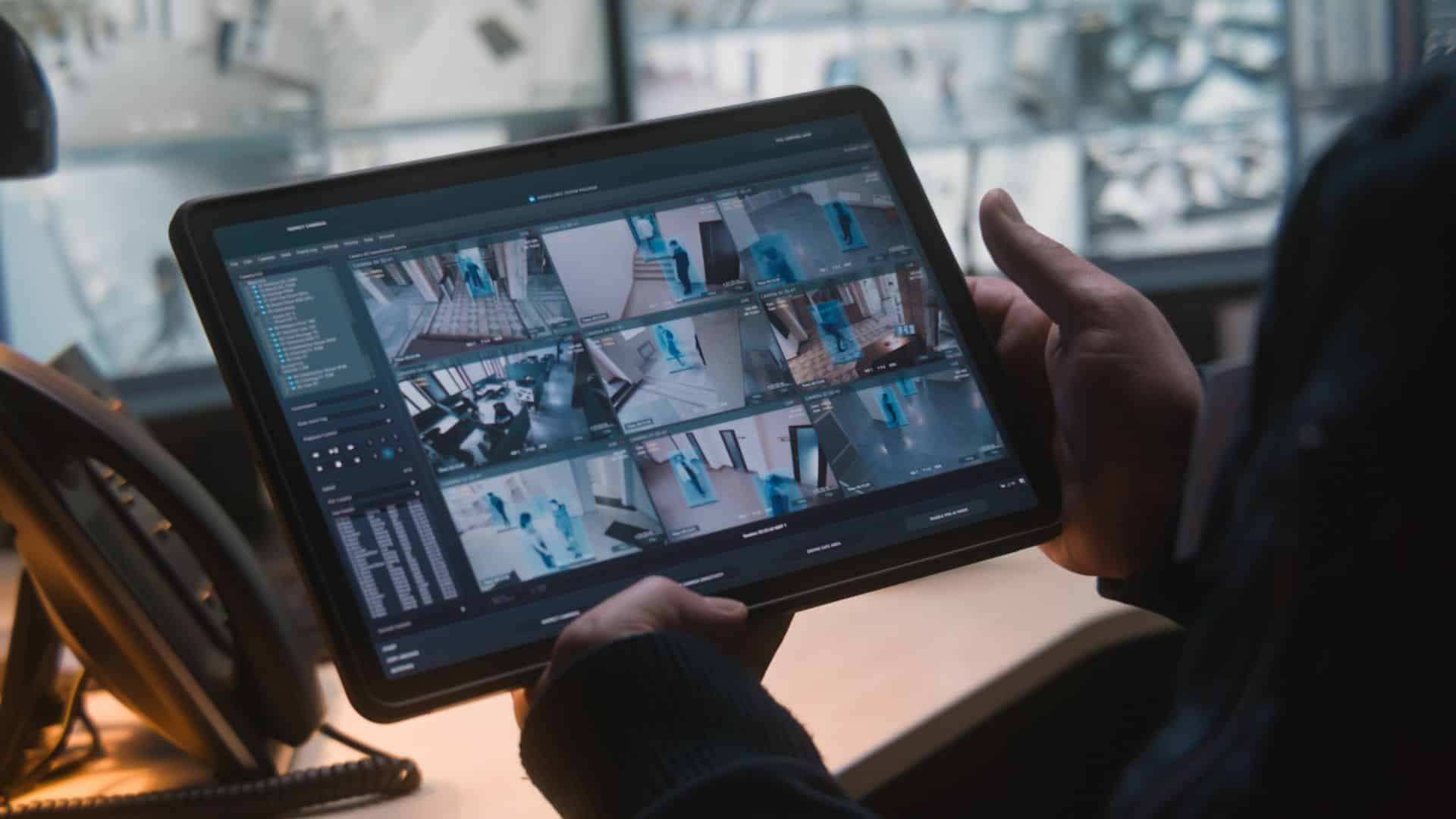
Choosing the Right Analog or Digital Security Camera System for Your Needs
The right decision for you depends on your specific situation. Consider these factors as you determine which analog or digital security camera system will protect your property most effectively:
- Budget constraints: If you’re working with a tight budget and need basic monitoring, analog cameras can provide adequate coverage. However, digital systems often deliver better long-term value through higher-quality footage and reduced maintenance requirements.
- Image quality requirements: Do you need to identify individuals clearly or read license plates? Digital cameras are essential. For general monitoring, where you just need to know if someone was present, analog may suffice.
- Property size and layout: Larger properties benefit from digital systems’ flexibility and wider coverage per camera. Smaller areas with simple layouts may work fine with analog.
- Future expansion plans: If you anticipate adding cameras or integrating with other security systems, digital cameras offer the scalability and compatibility you’ll need.
- Technical comfort level: While both systems are manageable, analog systems are slightly more straightforward for those uncomfortable with network technology. That said, professional installation eliminates this concern for either option.
- Remote monitoring needs: If you want to check your cameras from your phone while traveling or managing multiple locations, digital cameras are the clear choice.
Why Choose a Local Colorado Springs Security Camera Provider
National chains and online retailers can’t match the personalized service and local knowledge that a Colorado Springs security camera company provides. Whether you choose an analog or digital security camera system, working with a local provider ensures you get the right solution and ongoing support. When you work with a local business, you get:
- Customized solutions for your property: We understand the unique security challenges Colorado Springs properties face, from weather considerations to local crime patterns. Your system will be designed specifically for your situation, not a one-size-fits-all package.
- Responsive, reliable service: When you need support, you’ll reach a real person who knows your system and can be on-site quickly. No waiting on hold with distant call centers or dealing with technicians unfamiliar with your area.
Related: CCTV Maintenance Plans: Essential Protection for Your Colorado Springs Business
- Ongoing relationship and support: We’re invested in your long-term satisfaction because we’re part of your community. You’ll have a trusted partner for maintenance, upgrades, and questions as your needs evolve.
- Local expertise and accountability: We know Colorado Springs neighborhoods, building types, and regulations. Our reputation depends on your satisfaction, so we’re committed to getting it right.
- Support for the local economy: Your investment stays in the Colorado Springs community, supporting local jobs and families rather than distant corporations.
Get the Security Camera Solution That Fits Your Property
You deserve a security camera system that protects what matters most without breaking your budget or overwhelming you with complexity. Whether an analog or digital security camera system makes more sense for your Colorado Springs property, System Links will help you make the right choice based on your needs, not ours.
We provide honest assessments, transparent pricing, and professional security camera installation in Colorado Springs that ensures your system works reliably from day one. You get the unmatched confidence of knowing your property is secured with a surveillance system tailored to your specific needs.
Contact us today to schedule your free on-site security evaluation. We’ll assess your property, discuss your concerns, and provide a detailed quote with no pressure or obligation. Let’s create a security solution that helps you sleep better at night.
Original Published: August 9, 2023 | Updated: March 11, 2026
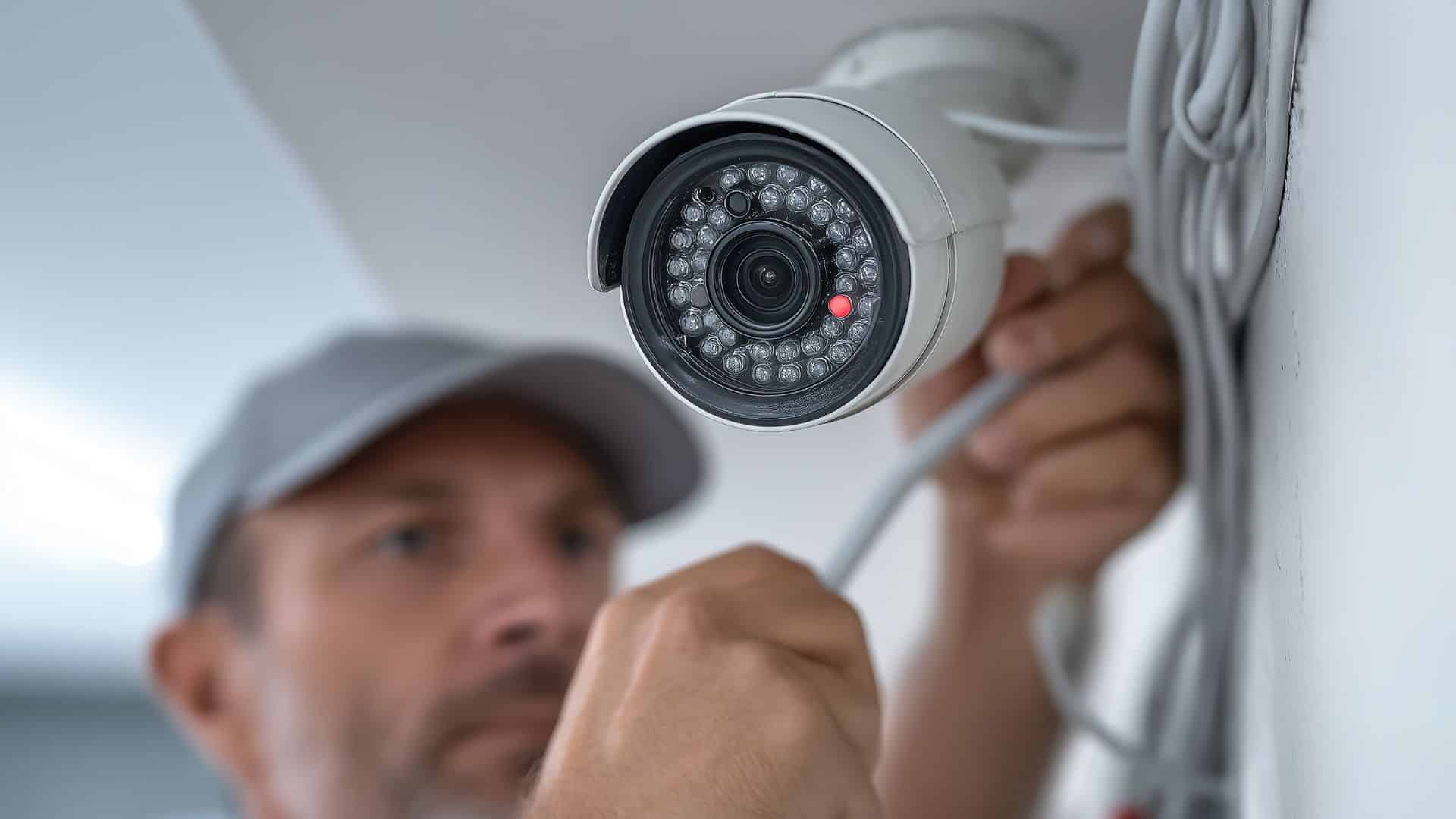
FAQs: Choosing Analog or Digital Security Camera Systems
Can I mix analog and digital cameras in the same system?
Yes, hybrid systems allow you to use both analog and digital cameras together. This approach works well if you’re upgrading an existing analog system gradually or want to use analog cameras in low-priority areas while placing digital cameras where you need superior image quality. System Links can design a hybrid solution that maximizes your budget while meeting your security requirements.
How long do security camera systems typically last?
Well-maintained analog systems often last 5-7 years, while digital IP cameras typically last 7-10 years or more. However, technology advances quickly, so you may want to upgrade sooner to take advantage of improved features and image quality. Regular maintenance extends the life of either system type. We offer service agreements that keep your investment protected and performing optimally.
Will my security cameras work during a power outage?
Both analog and digital systems require power to operate. However, you can add an uninterruptible power supply (UPS) or backup battery system to keep your cameras running during outages. This is especially important for Colorado Springs properties where weather-related power interruptions can occur. We’ll help you determine the right backup power solution for your needs.
Do I need internet service for security cameras?
Analog systems don’t require internet connectivity—they work as closed-circuit systems. Digital IP cameras can operate on a local network without internet access, but you’ll need internet connectivity to enable remote viewing from your phone or computer. Even with limited internet bandwidth, we can configure your analog or digital security camera system to work effectively. Contact System Links today to discuss your specific situation and find the solution that gives you the monitoring capabilities you need.
Related posts:
 Options for Access Control Systems When There Are No Network or Power Connections Available
 Wired vs Wireless Security Camera Systems
 Security Camera System Upgrades: Maximizing Protection for Your Southern Colorado Business
 A Professional Installer’s Best Tips for Troubleshooting Security Camera Issues